
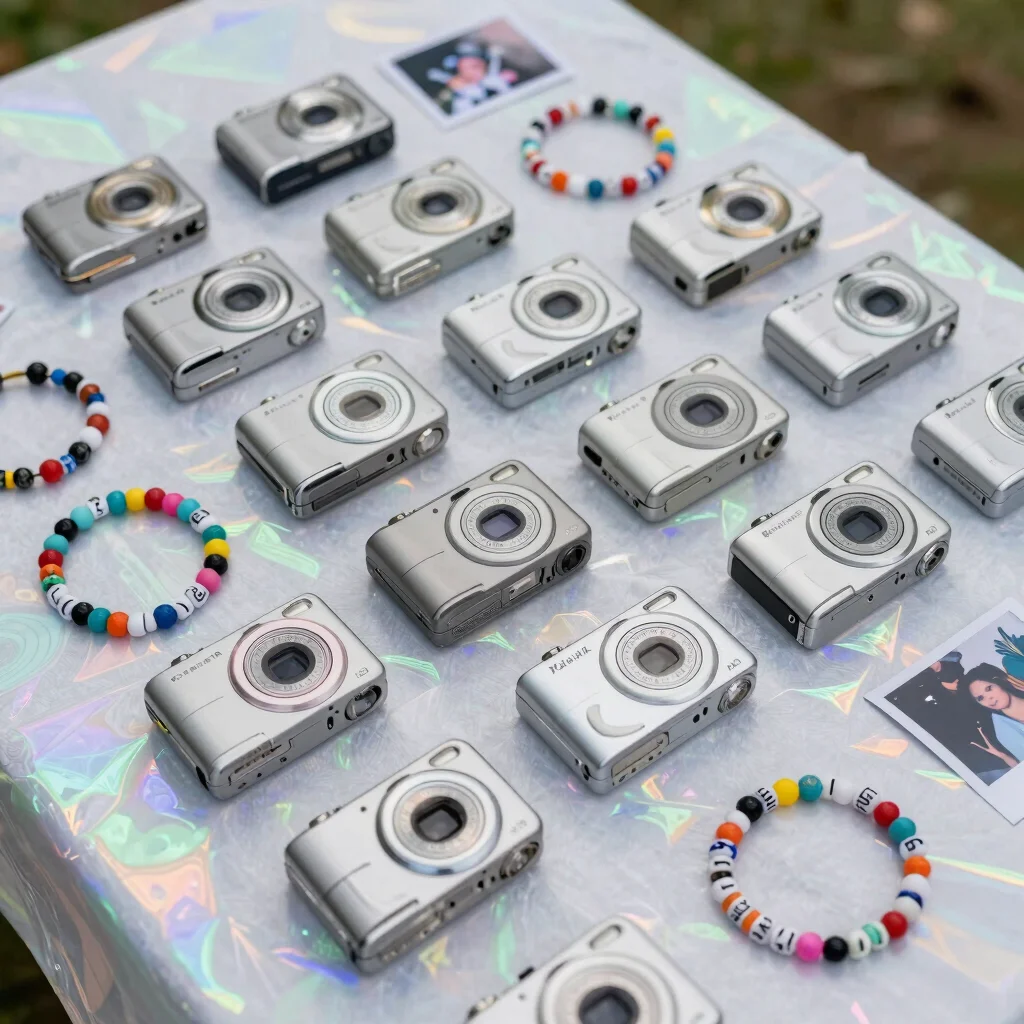
Last week I bought a four-megapixel point-and-shoot camera from 2004 at a local thrift store, and I have barely touched my smartphone camera since. There is a harsh, blown-out flash quality to old digital sensors that makes every casual diner booth photo or blurry night walk look like a vivid memory rather than a sterile piece of high-definition media.
The Charm of Imperfect Pixels
Modern phone cameras rely heavily on computational algorithms to smooth out skin tones, balance shadows, and turn every sky into a perfectly saturated sunset. The result is photos that look technically flawless but completely devoid of mood. Old digital cameras do not try to fix reality; they catch it raw, complete with grain, lens flare, and motion blur.
Slowing Down the Snapshot
Waiting to plug an old memory card into a card reader at the end of the night brings back the quiet anticipation we used to feel waiting for film rolls to develop. You actually get to live in the moment while you are out with friends, instead of spending twenty minutes tweaking lighting curves in an editing app before leaving the table.